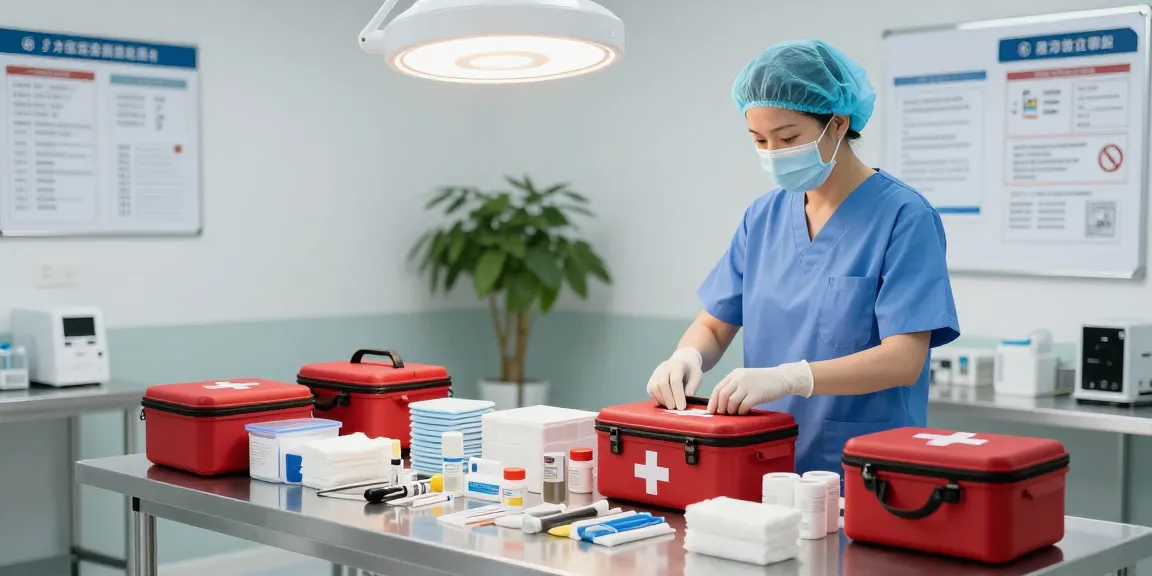
Understanding the Importance of Medical Kits
Medical kits serve as the cornerstone of preparedness in healthcare settings and emergency situations. Whether for first responders, clinics, or even households, having a well-equipped medical kit can mean the difference between life and death. The value of these kits goes beyond mere assembly; they provide an organized approach to emergency care. For those looking to explore more about the available options, medical kits offer comprehensive insights into what best suits your needs.
Why Every Healthcare Facility Needs Medical Kits
Healthcare facilities, ranging from large hospitals to small clinics, face unpredictable emergencies regularly. Having well-stocked medical kits allows healthcare professionals to respond swiftly and effectively to various situations. Medical kits not only help in treating immediate physical injuries but also serve as a preparedness tool for public health emergencies, including natural disasters or disease outbreaks. Additionally, standardized medical kits ensure that all healthcare professionals can access the same level of care regardless of the specific situation.
Common Types of Medical Kits and Their Uses
Medical kits come in various forms, each designed for specific needs. Some of the most common types include:
- First Aid Kits: These contain essential supplies such as band-aids, antiseptics, and gauze for treating minor injuries.
- Trauma Kits: Tailored for severe injuries, these kits may include tourniquets, hemostatic agents, and advanced airway management tools.
- Pediatric Kits: Specifically designed for children, these kits include age-appropriate medications and supplies.
- Emergency Medical Response Kits: These are larger kits often found in ambulances, containing a full range of medical supplies for critical care.
Regulatory Standards for Medical Kits in 2026
As we progress towards 2026, regulatory standards for medical kits continue to evolve. Compliance with guidelines set by health authorities, such as the FDA in the United States and Health Canada, is crucial for manufacturers. These regulations ensure that medical kits are assembled with clinically approved supplies, emphasizing the importance of maintaining safety and efficacy. Additionally, training for healthcare professionals on the correct use of medical kits remains a priority to adhere to these new standards, ensuring that patients receive optimal care during emergencies.
Components of Effective Medical Kits
Essential Supplies to Include in Medical Kits
To prepare for unforeseen events, it's imperative that medical kits contain a comprehensive range of supplies. Essential items typically include:
- Sterile dressings and bandages
- Antiseptic wipes and solutions
- Adhesive tape and scissors
- Gauze pads and roller bandages
- Cold packs for reducing swelling
- Emergency blankets for shock
- Medications such as aspirin, antihistamines, and antiseptic ointments
Innovative Features in Modern Medical Kits
Modern medical kits have evolved to incorporate several innovative features to enhance their usability and effectiveness. Some noteworthy advancements include:
- Smart Technology: Many kits now come with integrated technology, such as apps that remind users of inventory checks and expiry dates.
- Modular Design: This allows users to customize their kits based on specific needs or emergency context.
- Eco-friendly Materials: Increasing emphasis on sustainability has encouraged the use of biodegradable or recyclable materials in kit components.
How to Customize Medical Kits for Specific Needs
Customization can make a significant difference in the effectiveness of a medical kit. Organizations should assess their unique risks and requirements to tailor their kits accordingly. Considerations may include:
- The environment where the kit will be used, such as outdoor settings requiring items for heatstroke or hypothermia.
- Demographics of those being served, which may necessitate pediatric or geriatric-specific supplies.
- Potential hazards specific to the workplace or community, such as chemical spills requiring specific antidotes.
Best Practices for Storing and Maintaining Medical Kits
Optimal Storage Solutions for Accessibility
For a medical kit to be effective, it must be easily accessible during emergencies. Here are some best practices for storage:
- Keep kits in designated areas known to all personnel.
- Store kits at room temperature to maintain the integrity of supplies.
- Use water and fire-resistant containers for additional safety.
Routine Maintenance Checks for Medical Kits
Regular maintenance of medical kits is vital to ensure readiness. Establish a schedule for routine checks, including:
- Inspecting expiration dates on medications and replacing them as necessary.
- Replenishing used supplies promptly to maintain kit integrity.
- Cleaning and organizing the kit to avoid clutter and ensure quick access.
How to Replenish Supplies Effectively
Replenishing supplies should be part of your routine maintenance. Consider implementing an inventory system that tracks usage rates and expiration dates. Utilizing a checklist can help ensure you never run low on critical supplies, allowing for fast and effective emergency responses.
Comparing Top Medical Kits in the Market
Features to Look for When Choosing Medical Kits
When selecting medical kits, several features can indicate quality and appropriateness for your needs:
- Portability: Kits should be lightweight and easy to transport.
- Durability: The materials should withstand harsh conditions.
- Comprehensive Contents: Kits should have a wide range of supplies to handle various emergencies.
Price Comparison: Value for Money in Medical Kits
Price can often be a deciding factor, but it's essential to evaluate the value for money. Consider:
- Quantity and quality of supplies included
- The reputation of the manufacturer
- Warranty and support services provided
User Reviews and Real-world Performance Insights
Gathering feedback from users can provide invaluable insights into the performance of medical kits. Look for reviews that discuss not just the quality of supplies, but also the usability of the kit in real-world scenarios.
Future Trends in Medical Kits for 2026 and Beyond
Technological Advances Impacting Medical Kits
The landscape of medical kits is expected to change significantly due to ongoing technological advancements. In 2026, we may see:
- Increased use of telemedicine tools that allow remote monitoring and guidance during emergencies.
- Integration of wearable technology to provide real-time health information during emergencies.
Emerging Needs in Emergency Preparedness
With the changing climate and increasing incidence of natural disasters, medical kits are evolving to accommodate new challenges. As the public's needs change, medical kits will need to provide more comprehensive support for scenarios such as pandemics or bioterrorism.
Predictions for the Evolution of Medical Kits
Looking ahead, we can anticipate that medical kits will become more specialized, integrating features that cater to specific professional needs, such as those found in disaster relief or combat scenarios. Training and educational resources may also be included within kits to ensure the proper application of supplies.
What Should You Look for in a Medical Kit?
When selecting a medical kit, consider the following criteria:
- Compliance with local health regulations
- Personalization options to suit individual or organizational needs
- Availability of training and support resources
How to Ensure Your Medical Kit Meets Current Standards?
To keep your medical kit compliant with health standards, routinely check for updates from health authorities. Regularly participate in training sessions to understand the latest recommendations regarding supplies and their usage.
Can Medical Kits Be Used for Non-Emergency Situations?
Yes, medical kits can serve a broader purpose. Many supplies within a standard medical kit can also be used for treating minor injuries that occur in everyday life, such as scrapes or insect bites. Having a kit on hand can make routine care more efficient.
What Components Are Commonly Overlooked in Medical Kits?
Some components that are often overlooked in medical kits include:
- Burn care supplies, such as gel dressings and sterile burn sheets.
- Emergency reference guides for first aid procedures.
- Tools for splinting fractures, which can be crucial in trauma cases.
How to Conduct a Thorough Inventory Check?
To perform an effective inventory check, establish a routine that involves:
- Listing all contents and their expiry dates.
- Replacing expired items and refilling used supplies.
- Documenting inventory changes to maintain records for future assessments.