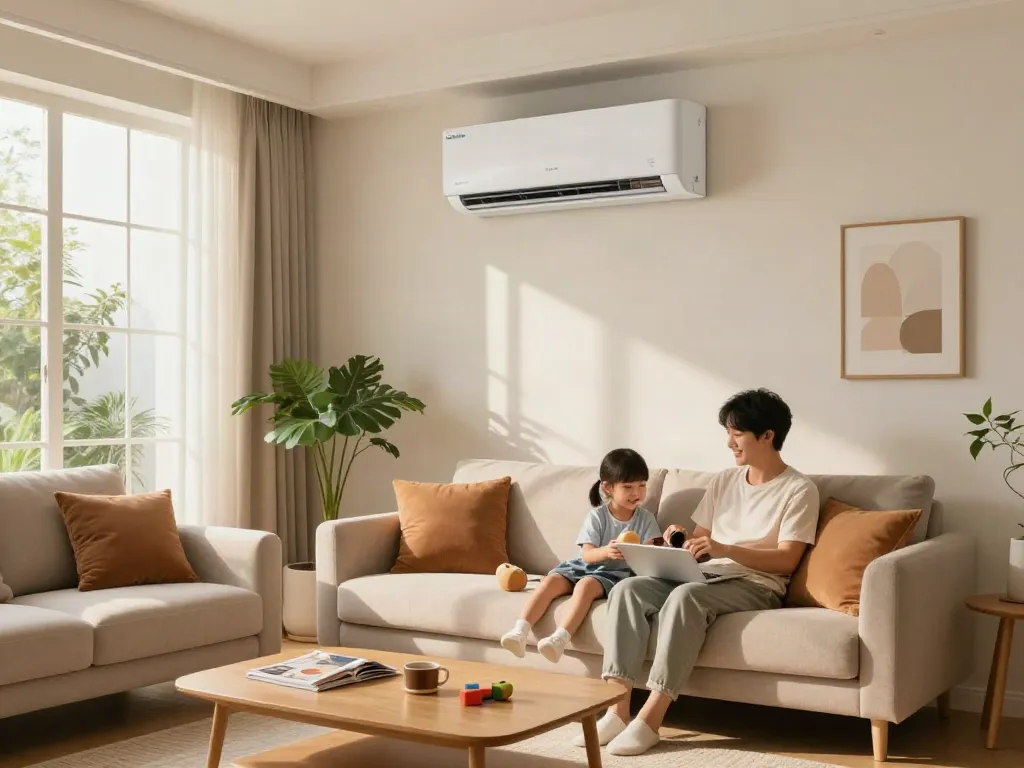
Understanding Ductless Air Conditioners
Ductless air conditioners, also known as mini-split systems, are gaining popularity among homeowners looking for efficient and flexible climate control solutions. Unlike traditional HVAC systems that rely on extensive ductwork, ductless systems provide individualized temperature control for specific areas of a home, making them a versatile choice for modern living. As we delve into the intricacies of these systems, we will examine what they are, how they function, and the notable advantages they offer compared to conventional air conditioning solutions. When exploring options, ductless air conditioner models are worth considering for their efficiency and ease of use.
What is a Ductless Air Conditioner?
A ductless air conditioner is a type of cooling system that bypasses the need for ductwork entirely. These systems consist of two main components: an indoor unit and an outdoor unit. The indoor unit is typically mounted on the wall or ceiling and is responsible for distributing cool air throughout the room. The outdoor unit houses the compressor and condenser, which work together to cool the refrigerant before it flows to the indoor unit. This split system allows for more localized climate control, making it ideal for homes that do not have existing ductwork or for spaces where traditional air conditioning might be impractical.
How Ductless Systems Work
Ductless air conditioners function by transferring heat rather than generating cold air. The indoor unit extracts heat from the room air and passes it through the refrigerant coils. The refrigerant absorbs the heat and is then pumped outside, where it releases the heat through the outdoor unit. This process creates a continuous cycle, keeping your indoor environment cool and comfortable. Many ductless systems also offer heating capabilities, making them year-round solutions for temperature control.
The Advantages of Choosing Ductless AC
- Energy Efficiency: Ductless systems operate with inverter technology, allowing them to adjust their speed according to the cooling needs. This efficiency can result in significant energy savings compared to traditional central AC systems.
- Flexible Installation: Since ductless systems do not require ductwork, they can be installed in a variety of configurations, making them suitable for homes of all sizes and layouts.
- Zone Control: With multiple indoor units, ductless AC systems allow homeowners to set different temperatures for different rooms, providing personalized comfort throughout the home.
- Improved Air Quality: Ductless systems come with multi-stage filtration systems that can help reduce dust, allergens, and other pollutants in the indoor air.
Choosing the Right Ductless Air Conditioner
When it comes to selecting the ideal ductless air conditioner for your needs, understanding key features and specifications is essential. With several brands and models available in 2026, potential buyers should be informed to make the best decision for their homes. Consider the following factors to ensure a wise investment.
Factors to Consider When Buying
- Capacity: Choose a system with the appropriate BTU (British Thermal Units) rating for your space. An undersized unit will struggle to cool effectively, while an oversized unit may cycle on and off too frequently, wasting energy.
- Efficiency Ratings: Look for ENERGY STAR ratings and SEER (Seasonal Energy Efficiency Ratio) ratings to gauge the energy efficiency of the unit.
- Noise Levels: Review the decibel ratings of different models to find one that operates quietly, especially if it will be installed in a bedroom or living area.
Top Brands and Models for 2026
As the ductless air conditioning market continues to evolve, several brands are emerging as leaders in innovation and efficiency. Brands such as Mitsubishi, Fujitsu, and Daikin are recognized for their reliable performance, advanced technology, and energy efficiency. In 2026, popular models include the Mitsubishi MUZ-FH series, which boasts high efficiency ratings and advanced features like Wi-Fi connectivity for smart home integration.
Energy Efficiency Ratings and Why They Matter
When evaluating ductless air conditioners, energy efficiency ratings are crucial for determining long-term operating costs. Systems with higher SEER ratings consume less energy while providing the same level of cooling, making them a more sustainable choice. Investing in an energy-efficient model can lead to significant savings on energy bills over time, making it essential for homeowners to prioritize energy efficiency when making a purchase.
Installation and Maintenance Tips
Proper installation and maintenance are key to maximizing the performance and lifespan of ductless air conditioning systems. Understanding the installation process and implementing routine maintenance practices can ensure efficient operation.
Ductless Air Conditioner Installation Process
Installing a ductless air conditioner typically requires professional help, ensuring the system is correctly sized and the components are properly mounted. The installation process involves:
- Determining the optimal location for both the indoor and outdoor units.
- Mounting the indoor unit and connecting it to the outdoor unit through insulated refrigerant lines.
- Connecting a condensate drain line to expel moisture outside.
- Testing the system to ensure it operates effectively and efficiently.
DIY Maintenance Techniques
Regular maintenance is essential for keeping your ductless AC in peak condition. Homeowners can perform several DIY tasks, including:
- Cleaning or replacing air filters every month to maintain optimal airflow.
- Checking and cleaning the outdoor unit to prevent debris buildup, ensuring free airflow.
- Inspecting and cleaning the indoor unit’s fins and coils to maintain efficiency.
Common Installation Mistakes to Avoid
Becoming aware of potential installation mistakes can save time and money. Common pitfalls include:
- Choosing an undersized or oversized unit for the space.
- Improper mounting of the indoor unit, leading to inefficient airflow.
- Failing to adequately insulate refrigerant lines, reducing system efficiency.
Cost Considerations for Ductless Systems
Investing in a ductless air conditioning system involves understanding both initial costs and long-term savings. As homeowners consider upgrading to a ductless system, it's essential to weigh the financial aspects carefully.
Initial Investment vs. Long-Term Savings
The upfront cost for ductless air conditioning systems can be higher than traditional AC systems due to the technology involved. However, their energy efficiency often leads to lower monthly utility bills. Homeowners should consider total cost of ownership when evaluating options, factoring in potential energy savings over time as a significant component of the investment.
Understanding Installation Costs
Installation costs can vary widely depending on factors such as location, complexity, and the specific model chosen. On average, installation can range from $1,500 to $5,000. Homeowners should obtain multiple quotes from licensed professionals to find a competitive rate while ensuring quality workmanship.
Available Rebates and Financing Options
Many energy-efficient ductless systems qualify for rebates and incentives offered by energy companies and government programs. Homeowners should research available offers to help offset upfront costs. Financing options may also be available, allowing customers to pay in installments rather than all at once.
Future Trends in Ductless Air Conditioning
The ductless air conditioning industry is poised for continued growth and innovation as technology evolves. Homeowners who stay informed about emerging trends can make educated decisions regarding their cooling needs.
Innovations in Ductless Technology
As manufacturers strive to enhance user experiences, innovations such as smart thermostats, remote monitoring capabilities, and enhanced filtration systems are becoming increasingly common. These features provide greater control and contribute to improved energy efficiency.
Sustainability and Eco-Friendly Options
With growing concerns about climate change and environmental impact, many companies are developing eco-friendly refrigerants and systems designed to operate at lower energy levels. Homeowners should look for models that emphasize sustainability, helping them contribute to a greener planet.
Predictions for Ductless Systems in 2026
As we look ahead to 2026, experts predict a continued rise in the adoption of ductless air conditioning systems due to their flexibility and efficiency. Enhanced performance capabilities, further reductions in energy consumption, and integration with smart home technologies are anticipated to drive this trend. Homeowners can expect more tailored solutions that align with their specific needs and preferences.
Are ductless air conditioners any good?
Absolutely! Ductless air conditioners are highly rated for their energy efficiency and flexibility. They provide reliable cooling and heating solutions tailored for individual spaces.
How much does it cost to install a ductless AC unit?
The installation cost varies widely but typically ranges from $1,500 to $5,000, depending on factors such as the complexity of the installation and the type of unit chosen.
What are the downsides of a mini split AC system?
While ductless systems are advantageous, they do have some drawbacks, such as higher upfront costs and potential aesthetic concerns due to the visible indoor units. Additionally, they may not be the best choice for larger homes without sufficient outdoor space for the condenser units.
Is it cheaper to run a mini split or central AC?
In many cases, ductless mini-split systems are cheaper to run due to their energy efficiency and ability to cool specific areas rather than the entire house. Homeowners often find that targeted cooling reduces energy costs significantly.
Best practices for ductless air conditioner maintenance?
Regular maintenance involves cleaning or replacing filters, checking refrigerant levels, and scheduling professional maintenance at least once a year to ensure long-lasting performance.